Custom Waterproof Apron
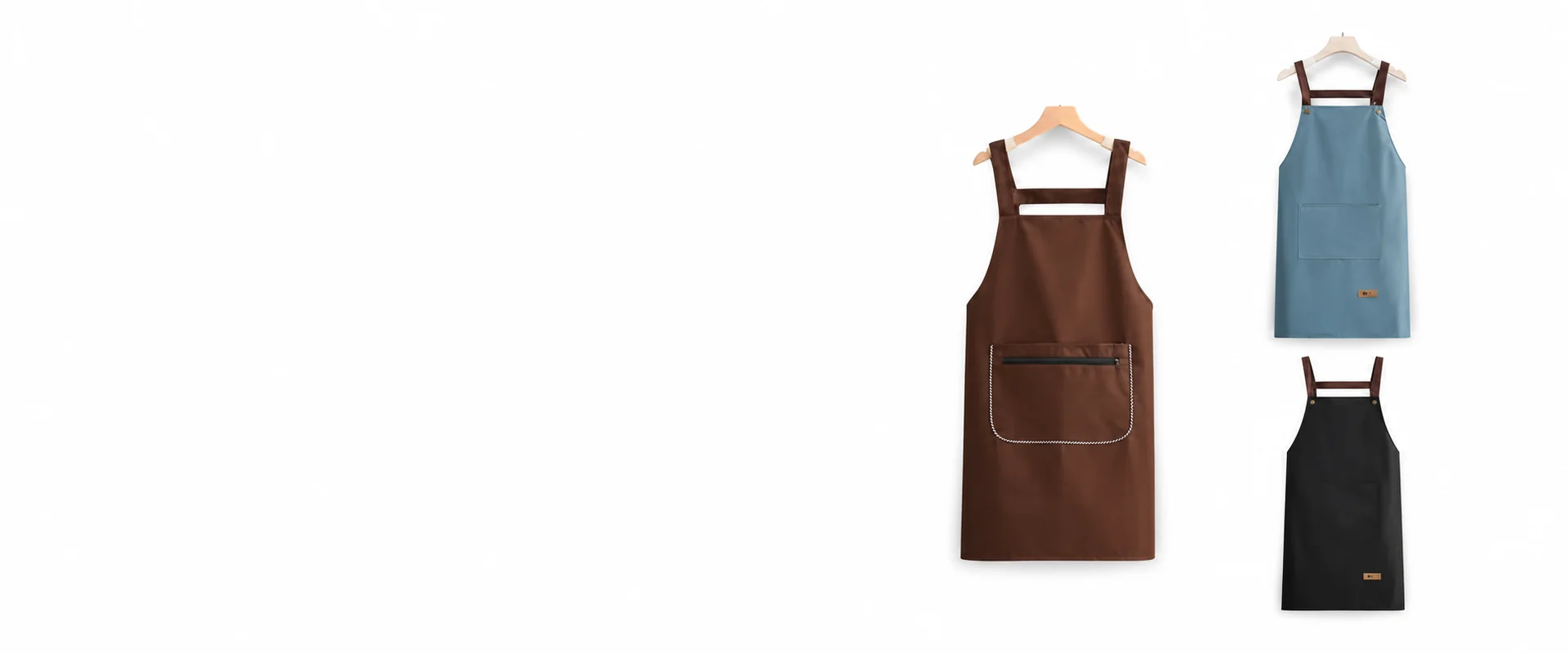
LuxoApron manufactures custom waterproof aprons, developing designs around your team’s work and your brand’s requirements.
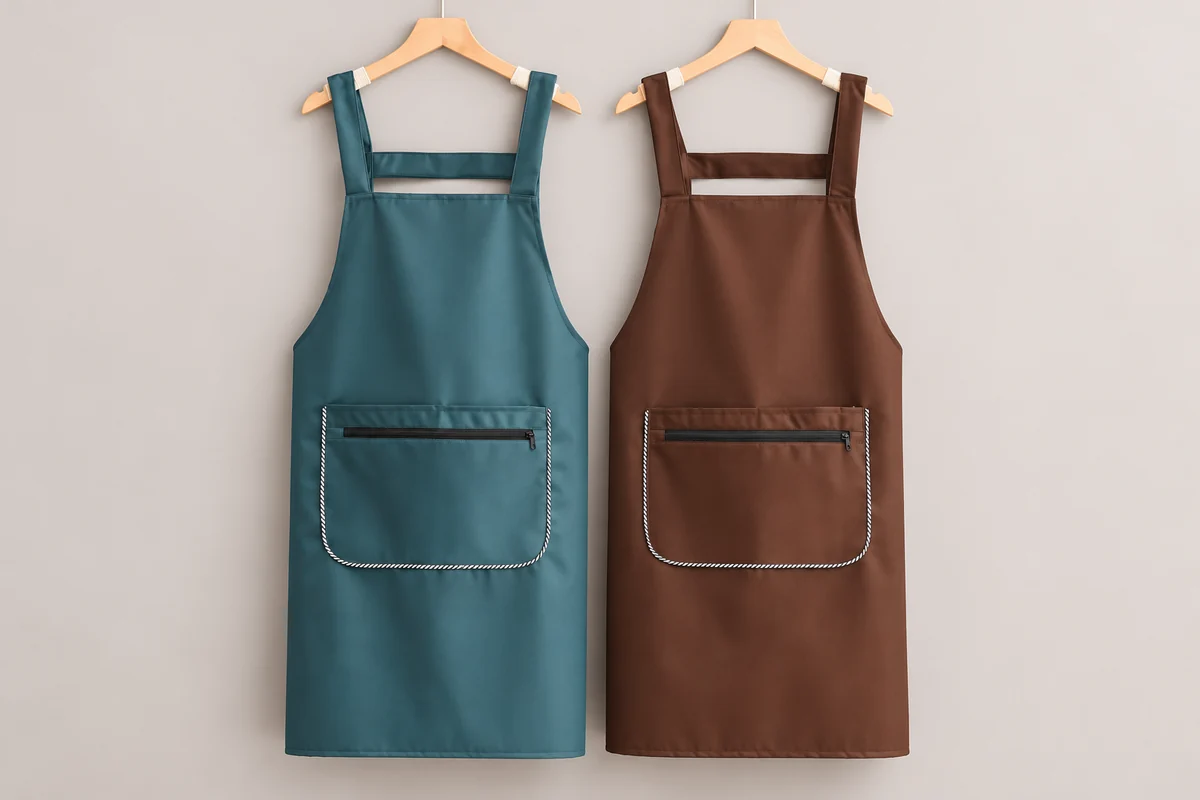
Waterproof Aprons Made for Your Work
- Order from 50 pieces per style.
- Front coverage, apron dimensions, straps, and pocket layout can be tailored to your team’s work.
- Bright or dark colors, printed logos, and brand labels are available to suit the selected fabric.
- Material options include PVC-coated fabric, TPU-coated fabric, and waterproof nylon, with fabric weights of 200–400 g/m².
- ISO 9001, BSCI, OEKO-TEX Standard 100, GRS, and REACH documents apply within their stated factory, material, or testing scope.
6 Reasons to Choose LuxoApron for Custom Waterproof Aprons
We help develop the material and construction details, then coordinate samples, production checks, and packing.

1. Apron Manufacturing Experience
Founded in 2016, LuxoApron makes aprons for kitchen, seafood, and cleaning work. We develop each order around the intended workplace and agreed requirements.

2. Production Capabilities
Our own Hangzhou factory handles cutting, sewing, accessory fitting, inspection, and packing. Construction details are planned around the chosen material and design.

3. Sample Development
We can work from a reference apron, drawing, or product idea. A sample lets you review coverage, fastening, and the feel of the selected fabric before production.

4. Branding Support
We coordinate the logo, label, and packaging details with your brand requirements. Decoration methods are selected to suit the fabric and the intended result.

5. Quality Control
Incoming, in-process, and final checks cover the agreed material and product details. Our team checks dimensions, stitching, accessories, and finished appearance.

6. Production and Delivery Support
We can provide production photos and videos and coordinate shipment preparations. We also support third-party inspection of your order.
Develop a Waterproof Apron Style
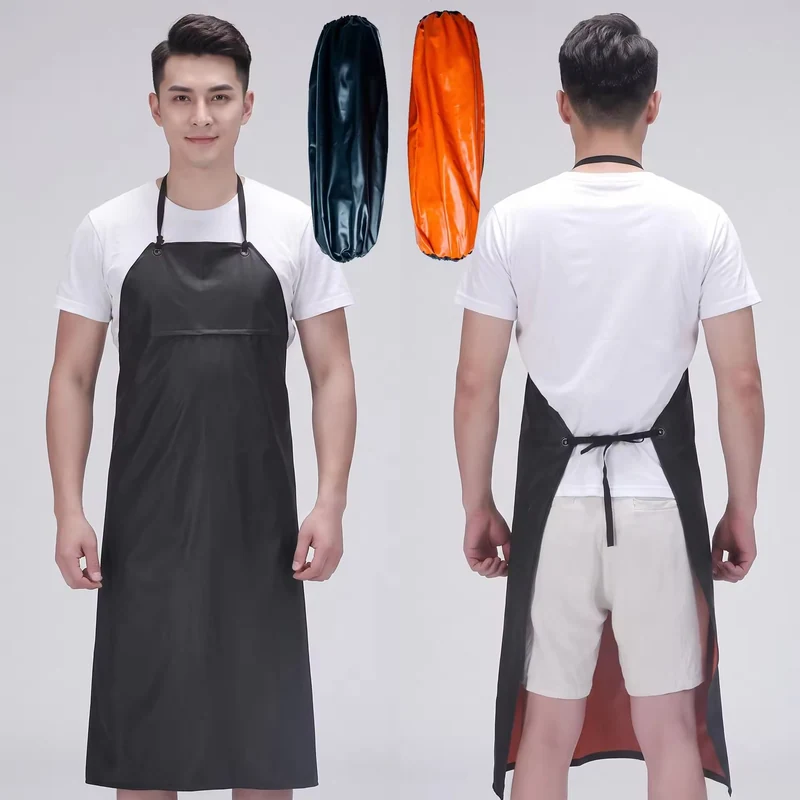
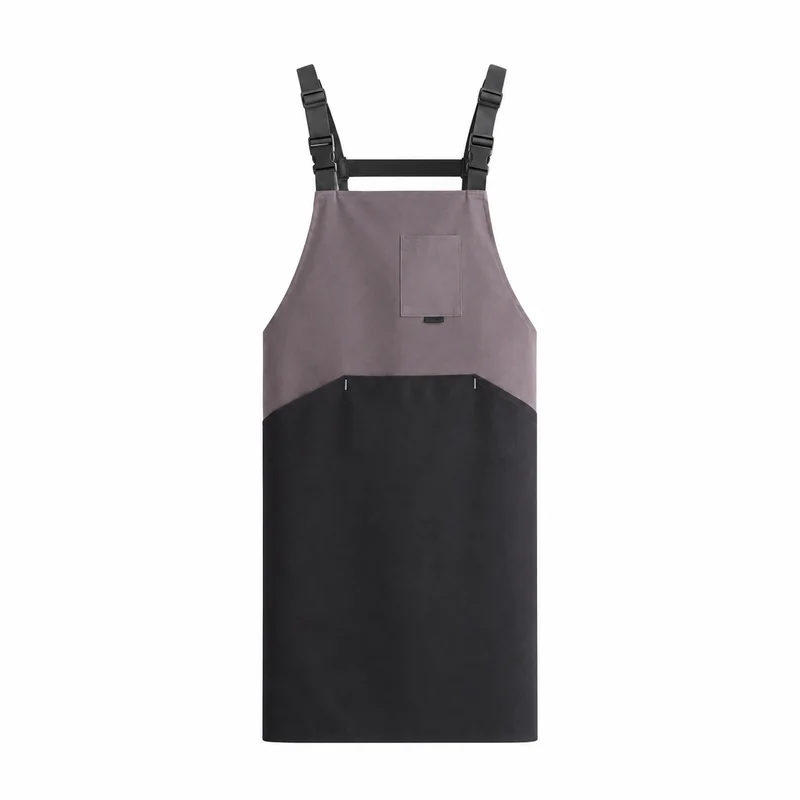
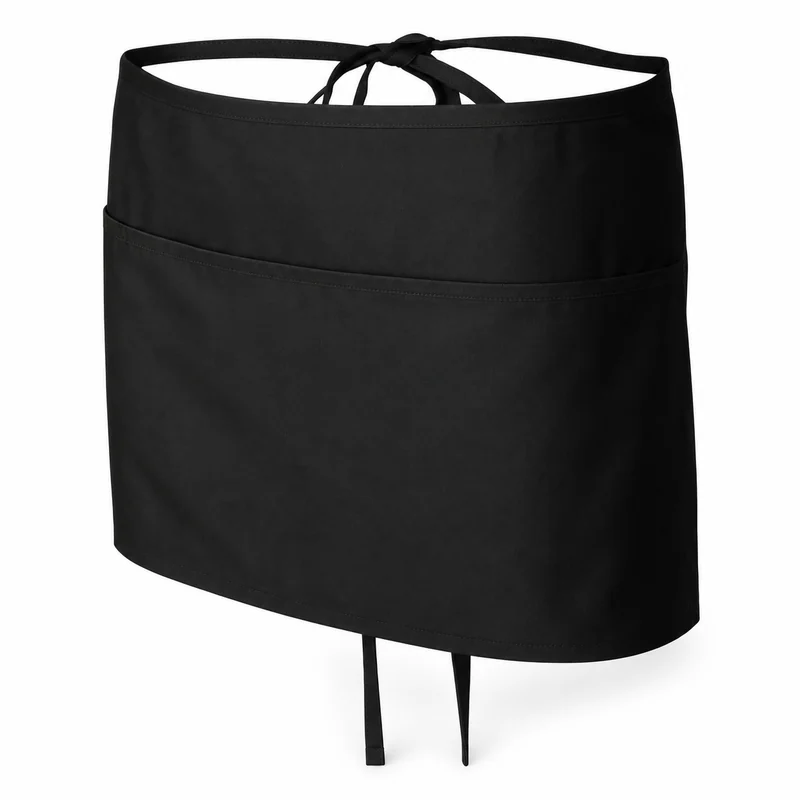
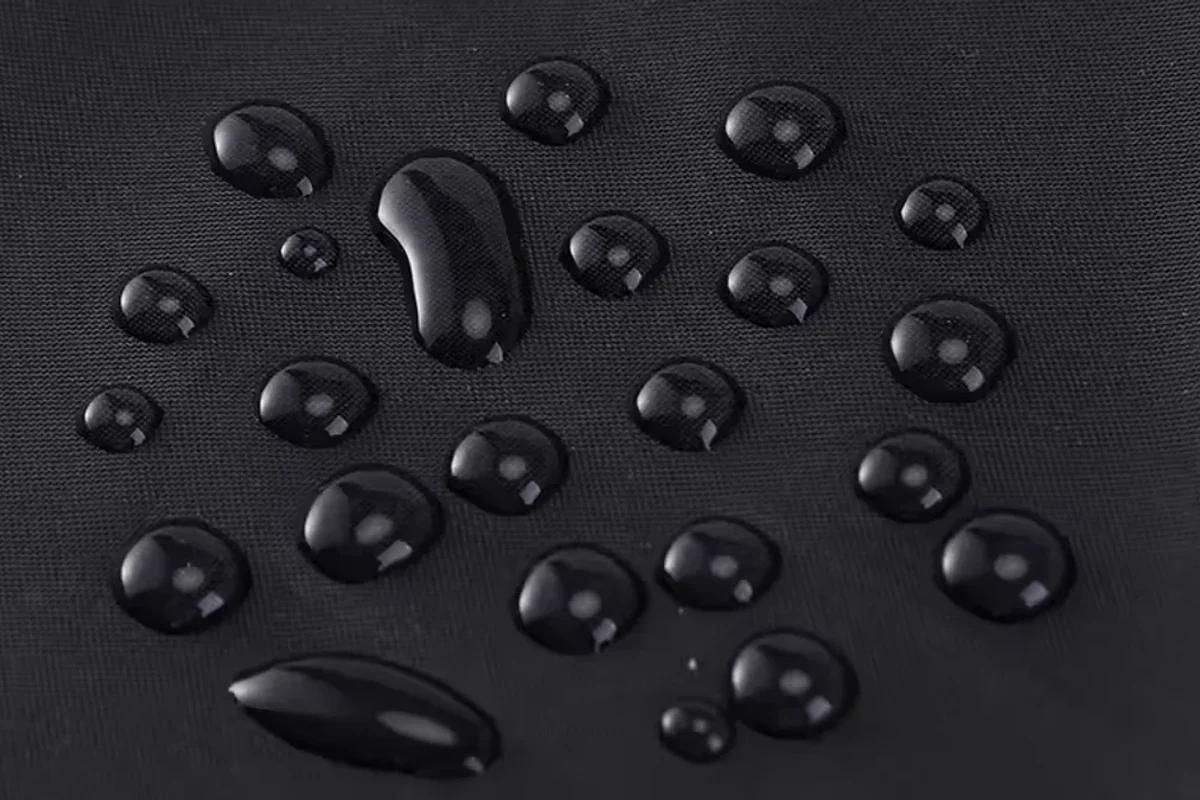
Bring us the apron style or workwear idea you have in mind, and we’ll help develop the details. These examples show material and coverage choices for different tasks.
Fabric Options for Wet Work
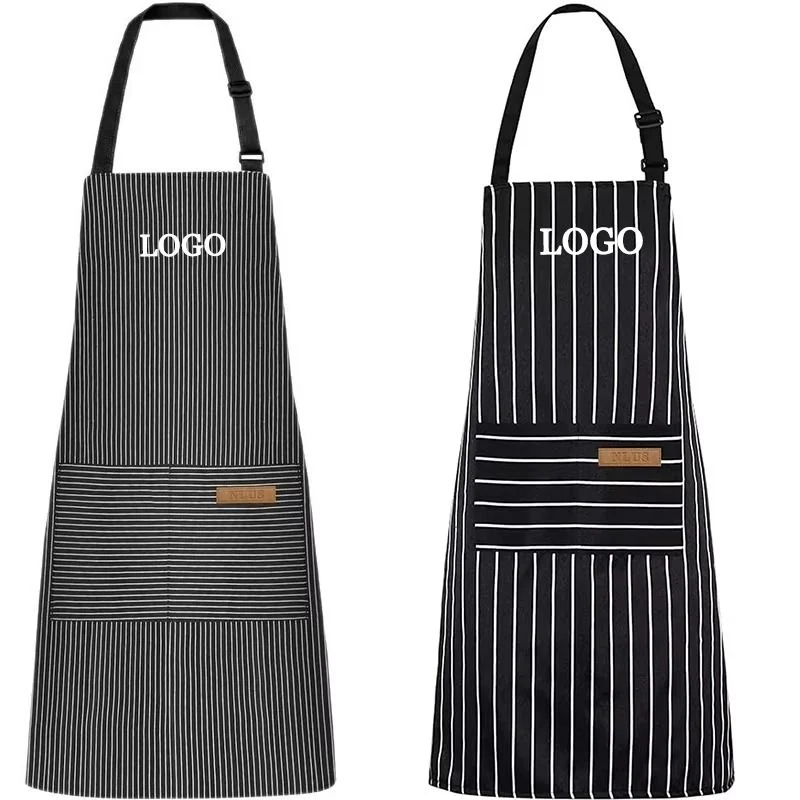
PVC and TPU coatings and waterproof nylon offer different fabric constructions; the surface, drape, and weight shape the finished apron’s feel.
- PVC-Coated Fabric
PVC-coated fabric gives wet-work apron designs a coated surface. Seam treatment, edge finishing, and the intended cleaning routine form part of the material specification. - TPU-Coated Fabric
TPU-coated fabric provides another coated option for the apron body. Its surface and drape are visible in a sample, with construction methods matched to the selected coating. - Waterproof Nylon
Waterproof nylon is available for designs using a nylon fabric base. The particular finish and seam construction need to be specified together for the intended use. - 200–400 g/m² Fabric Weights
Fabric weights of 200–400 g/m² provide a reference for the apron’s body and feel. This figure describes fabric mass per area; waterproof requirements are specified separately.
Coverage and Fit for the Task
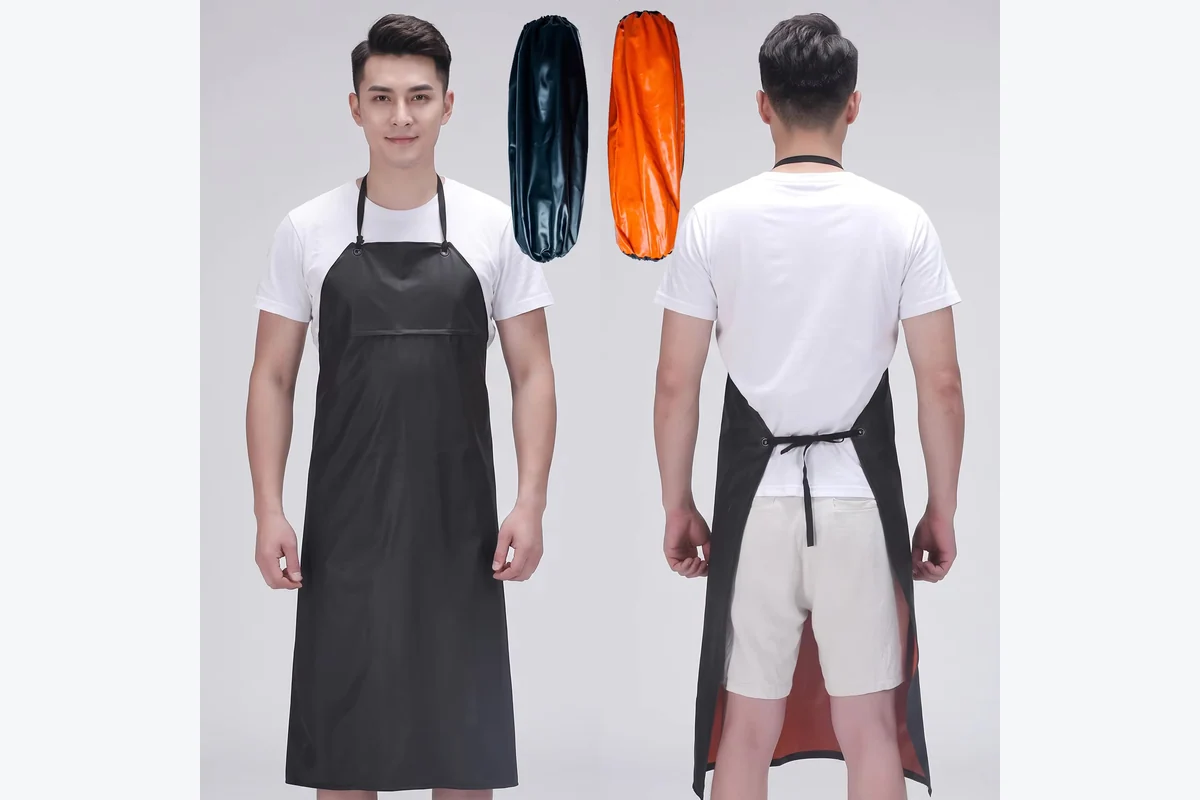
Bib, longer front, and waist styles cover different areas of the body, with dimensions and fastenings tailored to the team.
- Bib and Longer Front Coverage
Bib styles cover the chest and front of the body, with longer versions extending farther down the legs. Hem position depends on the coverage and movement needed for the task. - Waist Apron Styles
A waist apron covers below the waist and leaves the upper body uncovered. Its shorter front panel suits tasks requiring waist-level coverage, with length developed for that use. - Body Length and Width
General adult apron references are 70–90 cm long and 60–80 cm wide. The body pattern follows the wearer and coverage required; shorter waist styles are sized separately. - Straps, Ties, and Fastenings
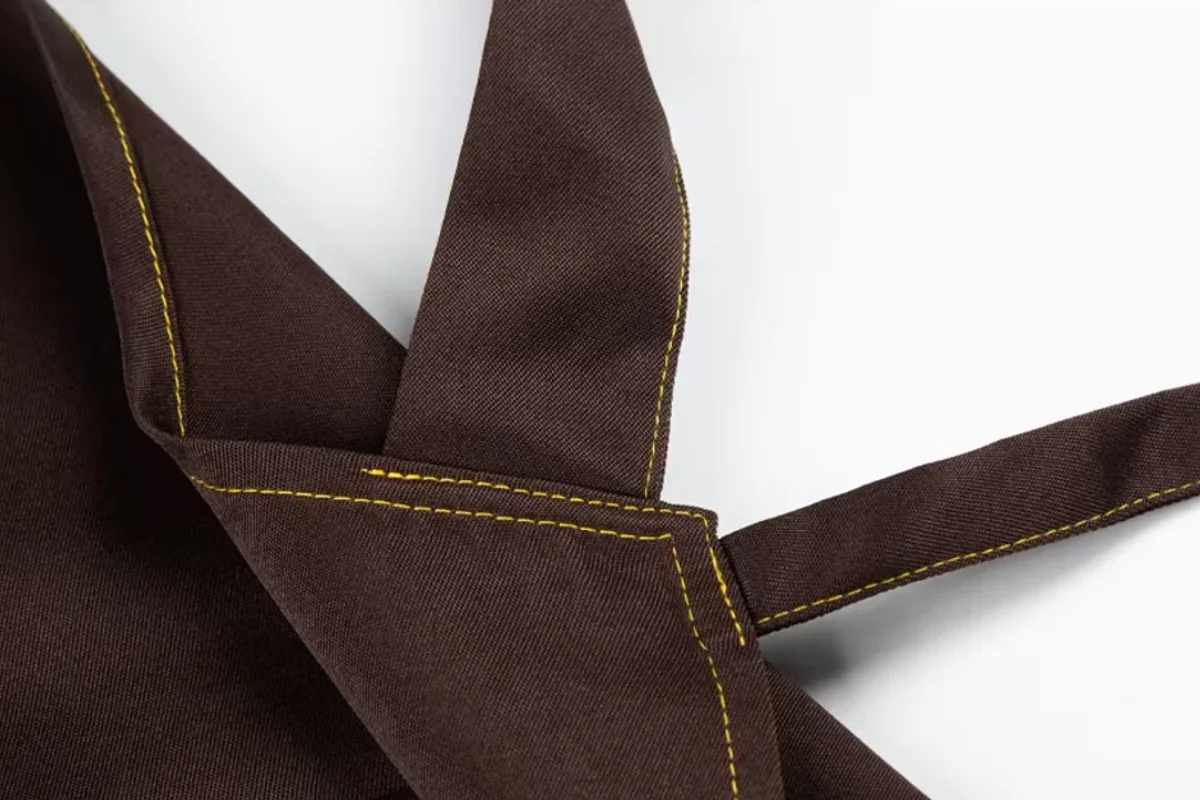
General adult references are 60–80 cm for a neck strap and 90–120 cm for waist ties. Webbing, buckles, and finished lengths are tailored to the design and wet-work conditions.
Seam and Edge Construction
The joining and finishing methods need to suit the selected fabric and the apron’s use.
- Thread for Sewn Seams
Waterproof thread is an option for sewn areas. Thread, stitch construction, and any additional seam treatment work as part of the fabric-specific design; thread alone does not establish the finished seam’s performance. - Heat-Sealed Seam Tape
Heat-sealed tape can cover suitable seams. The tape and application method must be compatible with the selected coated fabric and agreed construction. - High-Frequency Welded Edges
High-frequency welding is an edge-finishing option for compatible materials. Its suitability depends on the selected fabric and the areas of the apron being joined. - Bound Edges
Binding provides a finished border around exposed edges. Its attachment and any seam-sealing requirements are considered together, particularly where the apron will encounter water.
Practical Pockets and Brand Details
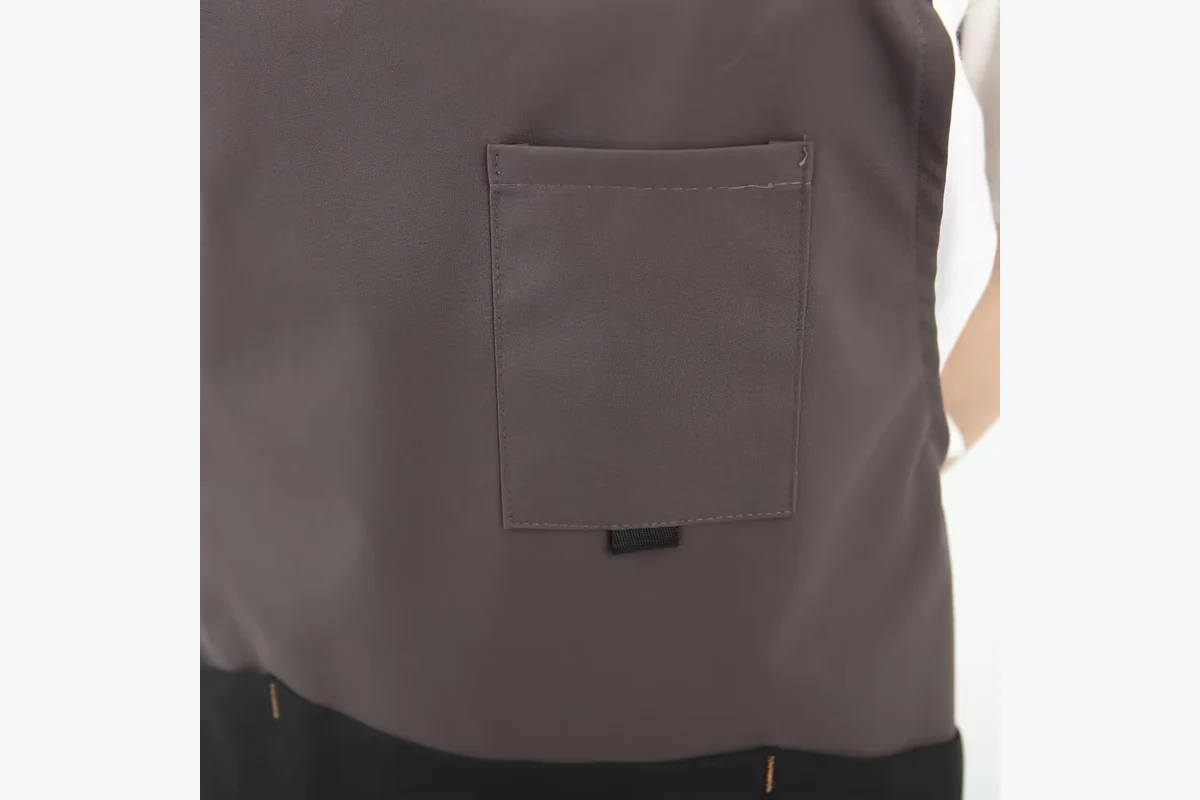
Simple pockets, fabric colors, and printed or woven brand details keep the front layout suited to the apron’s working role.
- Simple Pocket Layouts
Pocket number, size, and placement follow the task. A simple layout reduces unnecessary places for water to collect, while the sample shows how the pockets fit into the finished construction. - Bright or Dark Colors
Bright shades and darker workwear colors are available. Pantone references guide brand colors, with the selected fabric sample establishing the actual shade. - Heat-Transfer Logos
Heat transfer supports waterproof apron designs with single- or multicolor artwork. The selected coating and fabric color determine compatibility and any preparation needed. - Brand and Care Labels
Compact brand labels identify the range, while care and composition labels carry product information. Placement and attachment suit the apron construction, and care instructions reflect the material and decoration.
Packaging for Your Apron Order
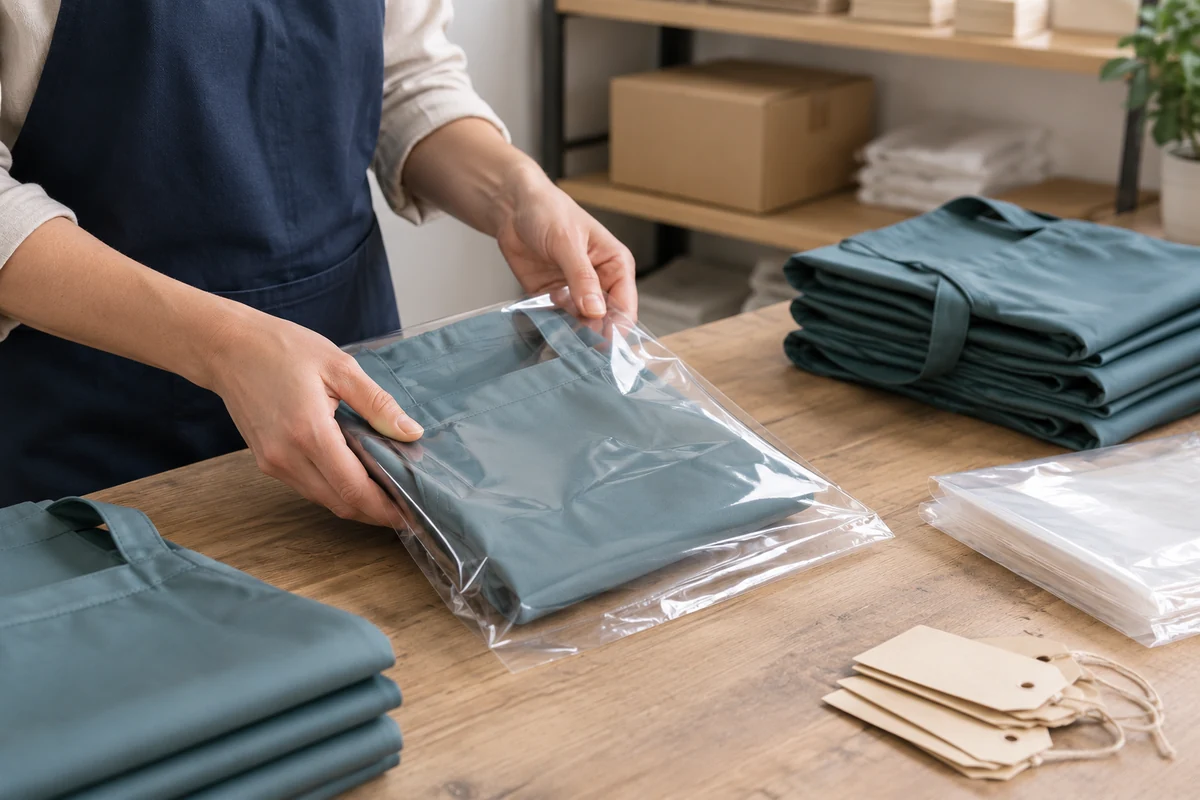
Bags, boxes, cards, and carton markings provide packing and identification options for staff issue, resale, or distribution.
- Individual Plastic Bags
Individual plastic bags keep aprons separate for handling and order sorting. Bag format and label information are matched to the folded product. - Kraft Paper Boxes
Kraft paper boxes are available for boxed presentation or retail orders. Box dimensions and artwork are developed around the apron and your packing requirements. - Hang Cards and Product Labels
Branded hang cards and packaging labels identify the apron using the agreed brand, size, and product information. - Custom Outer Cartons
Carton marks, barcodes, and packing lists identify styles and quantities in the shipment, helping receiving teams distinguish items during distribution.
Materials and Documents for Waterproof Aprons
Fabric and seam construction determine the wet-work design, while supporting documents describe the scope of the materials and processes they cover.
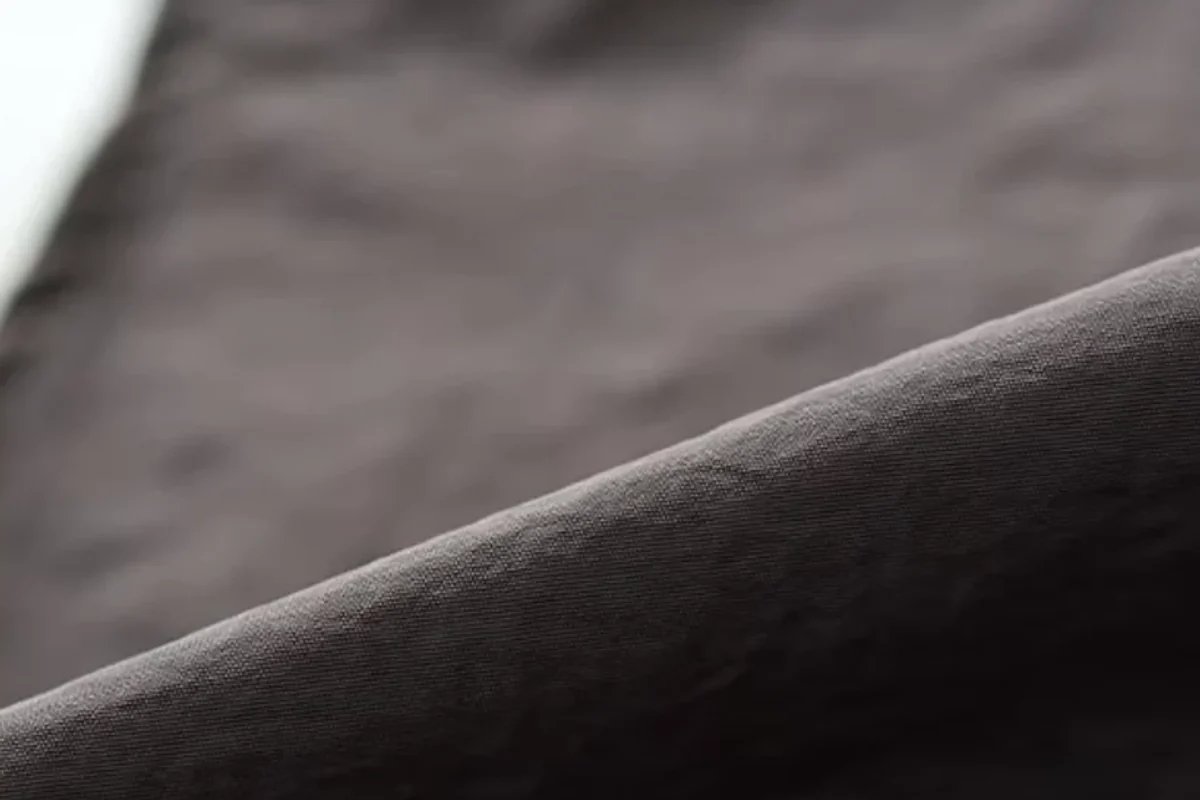
Coated Fabric and Nylon Options
PVC-coated fabric, TPU-coated fabric, and waterproof nylon are available for the apron body. The complete sample combines the material, seam treatment, edges, and accessories for assessment.
Discuss Materials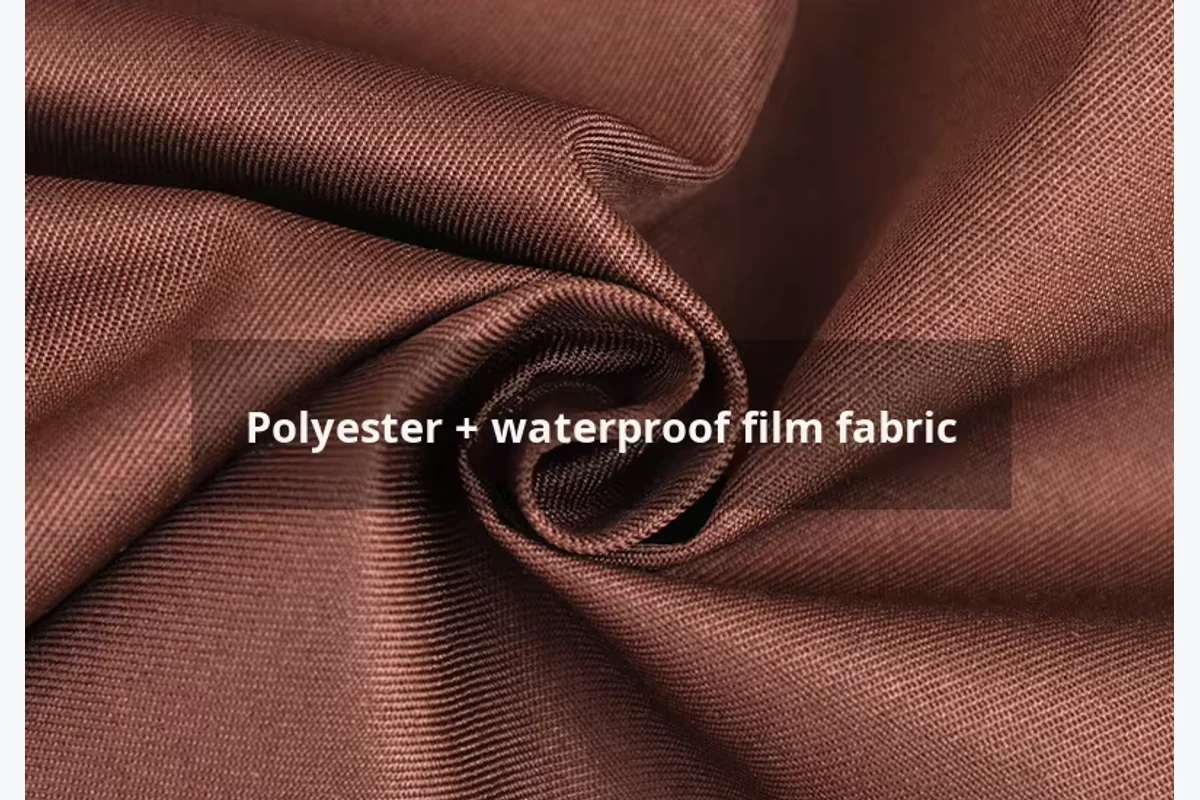
Waterproof Fabric and Cotton Canvas
Waterproof apron materials are selected for wet tasks and easy cleaning, with seam construction considered alongside the fabric. Cotton canvas emphasizes a woven workwear texture; an untreated canvas design should not be assumed to meet the same water-related requirement.
Compare Materials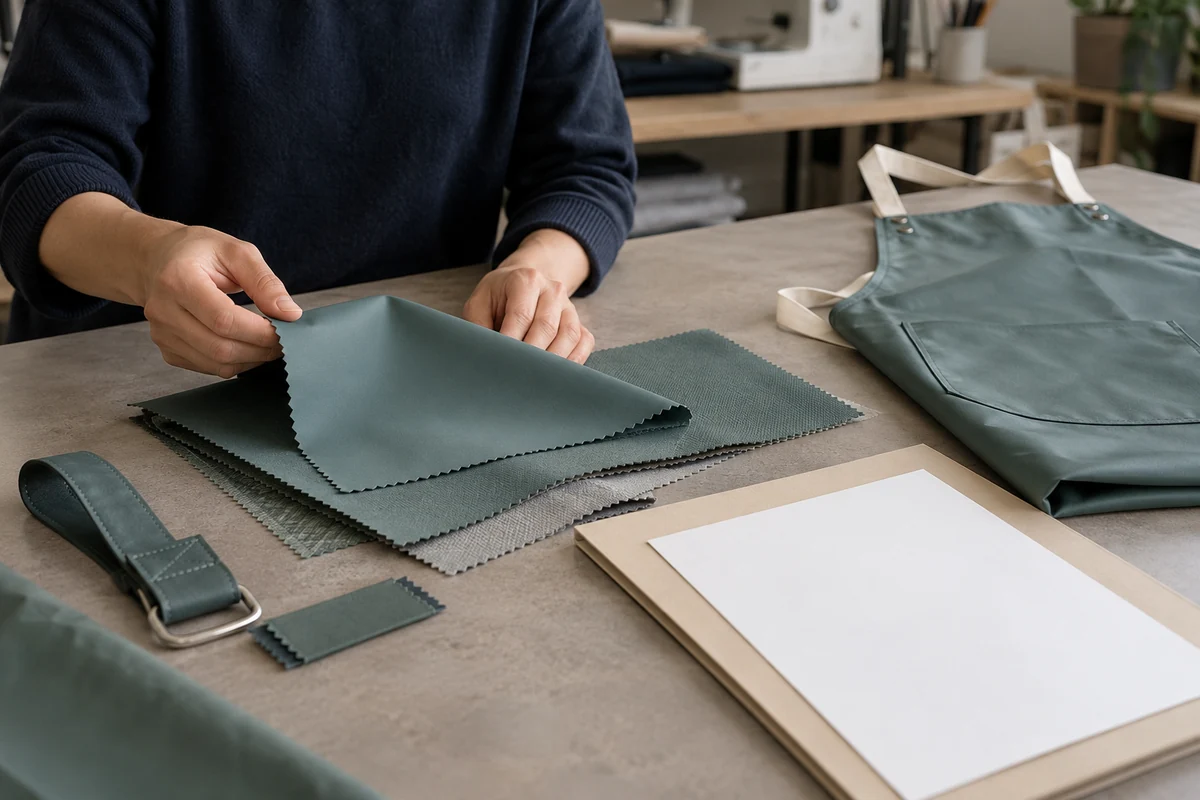
Documents and Their Scope
Relevant documents may include ISO 9001, BSCI, OEKO-TEX Standard 100, GRS, and REACH. Their management, social compliance, textile, recycled-material, and chemical testing scopes differ. Each document’s holder and covered material or product define its relevance to the order.
Ask About Documents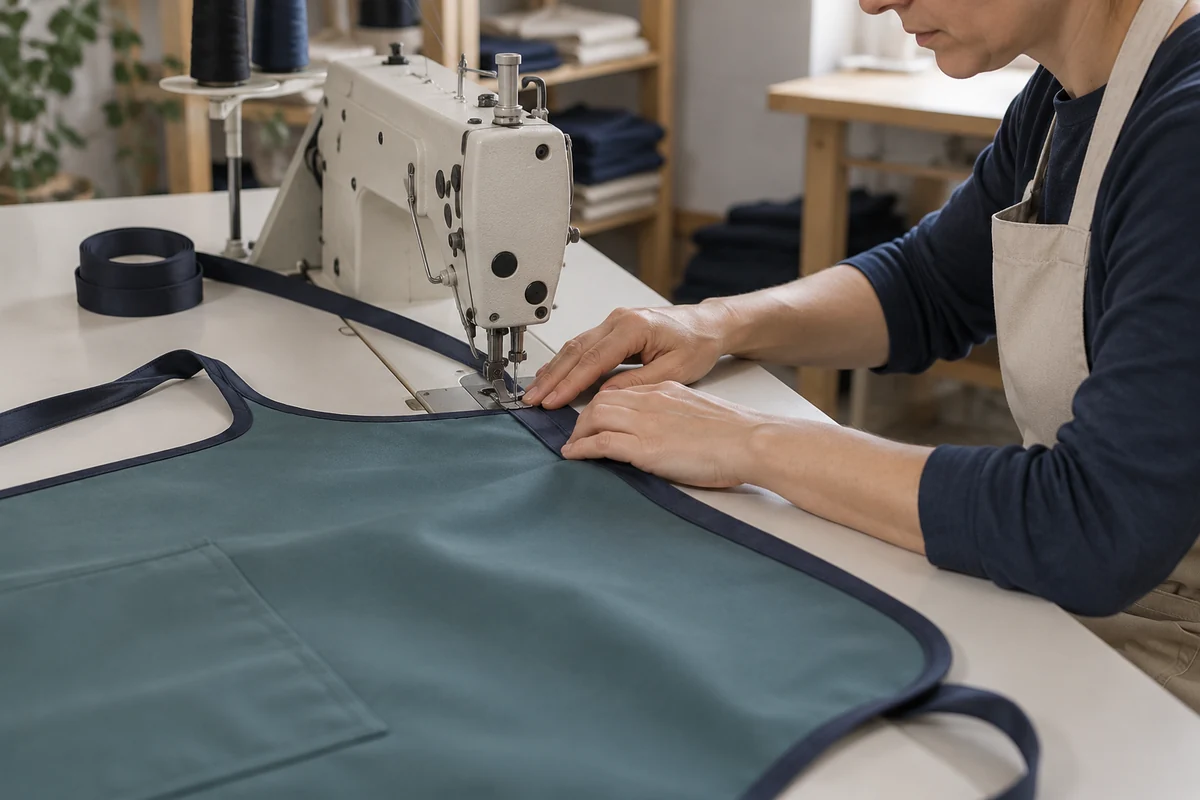
See How Your Custom Waterproof Apron Is Made
Cutting, joining methods selected for the fabric, edge finishing, and accessory fitting give your waterproof apron its agreed shape and construction.
Ready to Plan Your Waterproof Aprons?
Share the work your aprons will be used for, your estimated quantity, and any ideas or reference images you have. We’ll help work through the material and design details.
Get a Custom QuoteCustom Waterproof Apron Order Questions
Ordering details cover samples, project testing requirements, and separate production and delivery schedules.