For everyday washable uniforms, start by comparing cotton canvas and polyester-cotton. Denim adds a distinctive woven texture; genuine leather and PU faux leather offer different leather-look options. For repeated water exposure, compare coated constructions and finished seams.
The right choice depends on what staff do, how the apron is cleaned and what feels comfortable through a shift. This guide explains eight material options, their practical trade-offs and what to confirm before ordering. Pair it with the apron types guide to choose coverage and straps.
Eight Common Apron Materials at a Glance
Cotton and polyester are fibers. Canvas and denim describe fabric types; check the actual fiber composition. PVC, PU and TPU identify polymers used in different surface or coating constructions. None of these names alone establishes a finished apron's waterproof performance.
| Material | Useful for | Main trade-off | Confirm first |
|---|---|---|---|
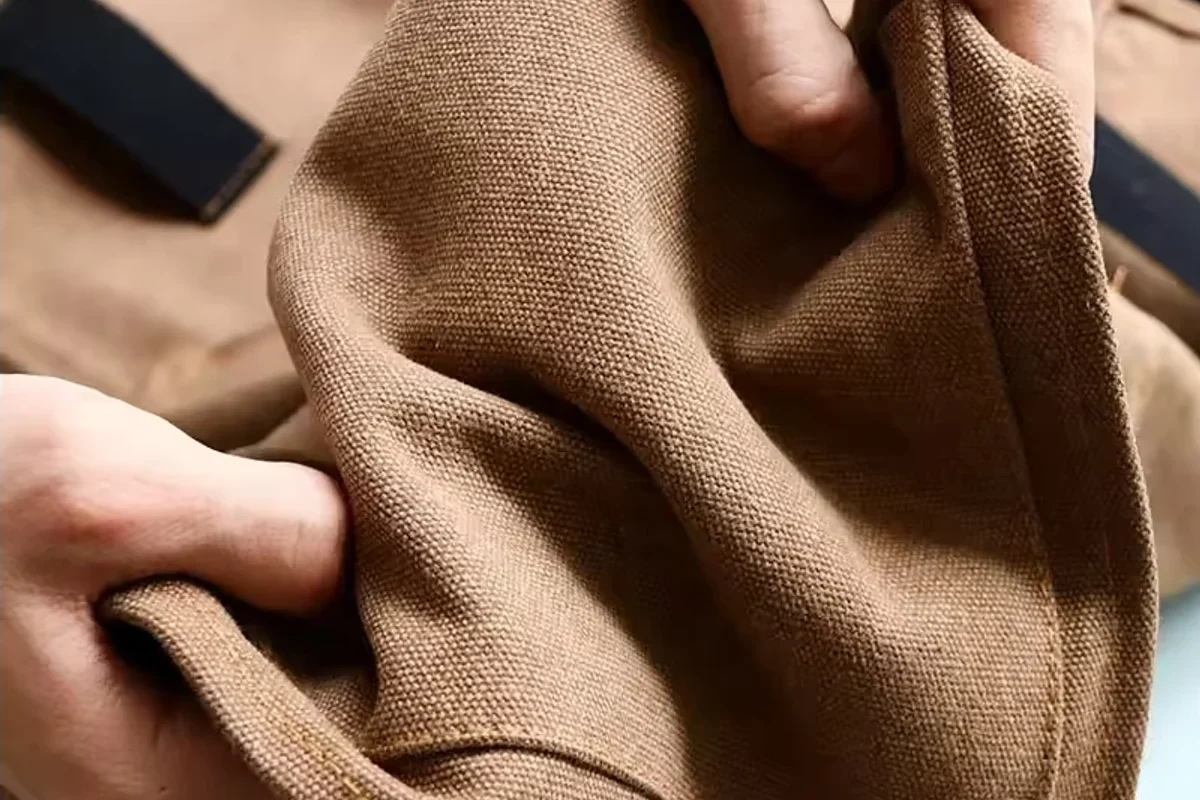
| Cotton canvas | Café uniforms, craft work, textured branding | Uncoated cotton absorbs spills; heavier canvas adds weight | Wash shrinkage, finish and finished weight |
| Polyester-cotton | Regularly washed restaurant and service uniforms | Feel and care depend on blend and construction | Fiber ratio and laundry trial |
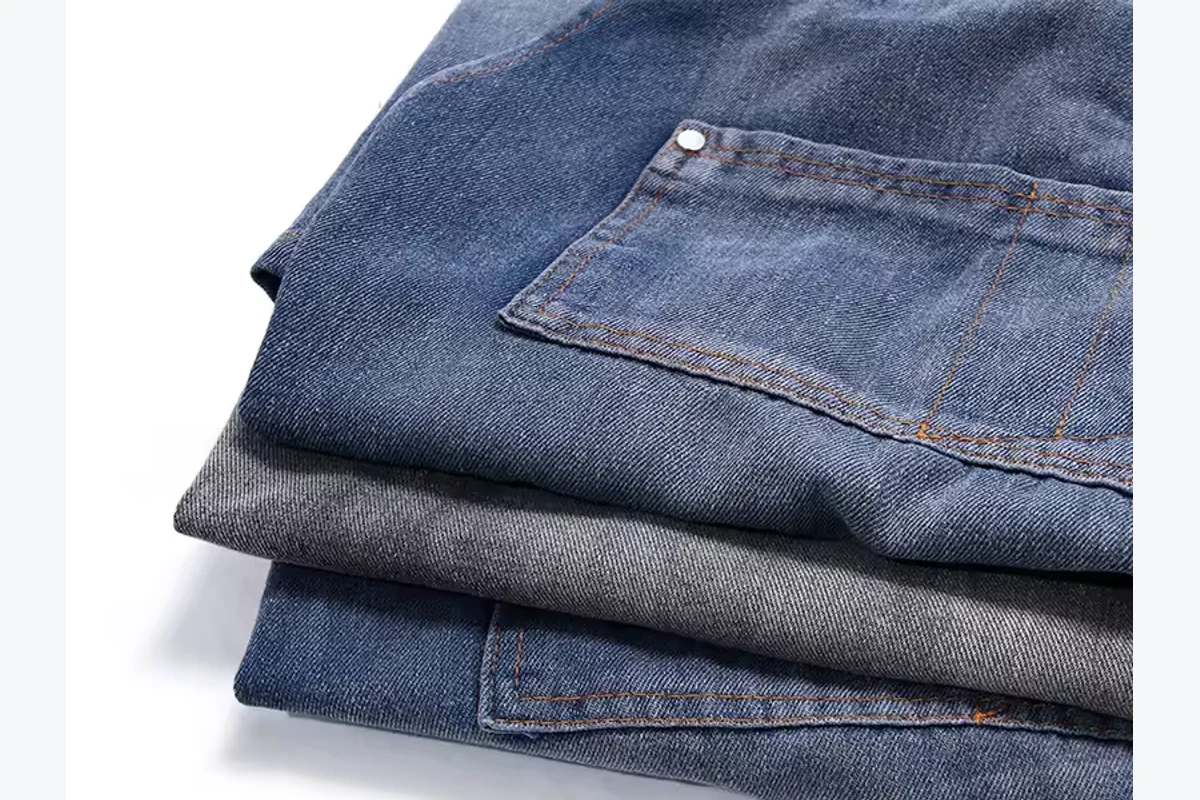
| Denim | Casual café, bar and workshop styling | Some dyes transfer or fade | Wet/dry rubbing and washing |
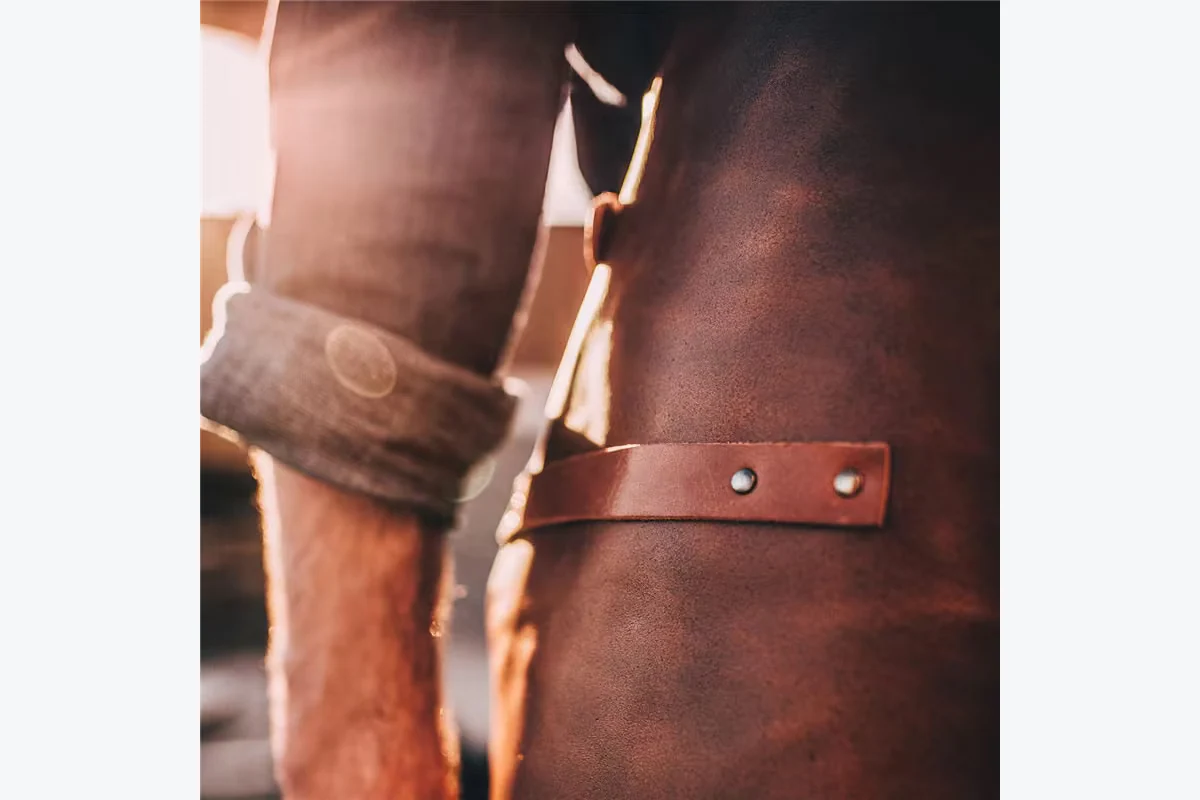
| Genuine leather | Distinctive bar, café and craft presentation | Weight and specialist care | Hide layer, finish and care method |
| PU faux leather | Leather-look uniforms with a coated face | Surface flexing and cleaning compatibility vary | Backing, coating and repeated-cleaning sample |
| PVC-coated fabric | Wet cleaning and splash-prone tasks | Continuous coatings can feel warm | Seams and permitted cleaners |
| TPU-coated fabric | Wet tasks needing a flexible coated option | Performance depends on film and backing | Flexibility, cleaning and seam construction |
| Treated or coated nylon | Mobile work where low weight matters | A repellent finish differs from a waterproof barrier | Exact finish, coating and seam details |
These are selection starting points, not performance ratings. Fabric weight in g/m², often called GSM, measures mass per area; it does not rate waterproofness, tear strength or service life.
Why Material Choice Changes Daily Use
An apron must work after cleaning as well as on its first day. A textured canvas may suit a café's appearance, while a smooth coated face may be easier to wipe between wet tasks. Neither feature answers whether the whole garment tolerates the site's laundry routine.
Comfort also depends on coverage, straps and pockets. Compare completed aprons with the same dimensions and tools inside them: a light swatch can become a heavy garment once doubled pockets, hardware and long panels are added.
What Each Material Does—and What to Check
Cotton canvas
Canvas gives the apron body and a visible textile texture. Ordinary uncoated cotton absorbs moisture, so repeated splashes can leave it damp. It is a useful starting point for embroidery or screen printing, subject to the weave and finish. Check shrinkage and drying time on the proposed wash cycle. CottonWorks explains cotton's absorbency and the effect of added finishes.
Polyester-cotton
This blend combines two fibers rather than defining a single fabric. It is commonly considered for practical uniforms when washing frequency and a neat appearance matter. Ask for the actual ratio, weight and finish; do not assume every blend feels, creases or dries alike. Approve branding and laundering together.
Denim
Denim brings a diagonal woven texture and a casual workwear appearance. CottonWorks describes its typical twill construction. Confirm composition instead of assuming every denim is pure cotton. Dark shades need rubbing and wash checks, especially beside pale shirts. Uncoated denim should not be selected as a water barrier.
Genuine leather
Specify grain-side or split cowhide and its finish. Full-grain retains the grain surface; a grain-side leather may also be corrected, while split comes from a lower hide layer. These distinctions affect appearance and handling, but are not stand-alone durability rankings. See the Leather Working Group's leather types guide. Confirm weight and leather-specific care.
PU faux leather
Here, PU faux leather means a synthetic leather-look material with a polyurethane surface over a non-leather backing. It is different from PU-coated split leather. A smooth face may suit wipe cleaning if the specified cleaner is compatible. Check repeated bending, surface adhesion and logo results; never assume machine washing is suitable.
PVC-coated fabric
A continuous PVC face can provide a practical water barrier, but needle holes, edges and damaged areas can still admit water. Consider it for splash-prone tasks when the completed construction meets the requirement. Check flexibility and wearer comfort, plus the allowed detergent, temperature and cleaning method.
TPU-coated fabric
TPU means thermoplastic polyurethane. A TPU coating or film is a different construction choice from PU faux leather. Flexible waterproof textile combinations are possible, but breathability is not automatic. Covestro describes how polyurethane films and coatings are engineered for different properties. Check the selected material and seams.
Treated or coated nylon
Nylon is the base fiber, not a waterproof rating. A water-repellent treatment encourages droplets to shed; a continuous coating or membrane provides a different barrier construction. Check which is offered, where the coating sits and how washing affects it. Evaluate the finished apron for coverage and comfortable movement.
How to Choose for Common Working Conditions
- Cafés and front-of-house: compare cotton canvas, polyester-cotton and denim for hand feel, brand appearance and the actual wash routine. Try genuine leather or PU faux leather when their look and care requirements suit the job.
- Kitchens and frequent laundry: prioritize a fabric, trim and logo combination that tolerates the required cleaning process. Assess cotton canvas and polyester-cotton samples rather than choosing by fiber name alone.
- Repeated wet work: compare PVC, TPU and coated nylon with suitable coverage and seam treatment. Confirm water performance after the planned cleaning cycles.
- Tool-carrying work: evaluate canvas, denim or leather together with pocket reinforcement and strap width. Material choice alone does not establish load capacity, cut resistance or heat protection.
Match the Material to Your Logo and Specification
Embroidery can suit canvas and denim, while screen printing can suit cotton canvas. Leather embossing needs the selected hide and finish. Heat-transfer branding on polyester-cotton or coated fabric requires compatible temperatures and adhesives. Approve a decorated sample; stitching punctures a coating, and heat can change its surface.
For comparable quotes, state composition, finish, color, dimensions, pockets, straps, logo, care requirements and quantity. LuxoApron's cotton-canvas references span 200–500 g/m²; that range does not describe every material. Request the actual specification for your style, and use the size guide to define coverage.
What to Check on the Finished Sample
- Wear it: reach, sit and bend with the normal pocket contents. Check pull at the neck or shoulders.
- Clean it: use the agreed method, then inspect dimensions, shade, stiffness, coating and logo.
- Check the task: assess relevant splash exposure, rubbing or pocket use. A simple trial is useful for selection but is not a certified test.
- Record approval: retain the material identity, finish, construction and care instructions with the sample reference.
Leather care varies by product and finish; Leather Working Group recommends product-specific care guidance. Request applicable test evidence if a quantified performance requirement is essential.
Approve the Material and Construction Together
Shortlist materials from the job and cleaning routine, then compare finished samples with the intended logo and pockets. The best match balances the required appearance, water exposure, comfort and care without relying on a higher GSM or a familiar material name as proof of performance.
Four Points to Keep in Your Material Brief
- Specify fiber, fabric construction and finish separately.
- Choose coatings and seams for the actual wet task.
- Approve weight, branding and cleaning on a finished sample.
- Keep genuine leather, PU faux leather and TPU-coated fabric clearly identified.
Frequently Asked Questions
Cotton canvas and polyester-cotton are useful starting points for washable everyday uniforms. Compare the actual weight, finish, comfort and laundry results. Denim, leather or coated materials may be better when appearance, care or wet work changes the requirement.
Ordinary uncoated cotton canvas is not a waterproof barrier. A treatment can change surface behavior, but claims about water protection need the exact finish, seams and finished construction. Absorbency and waterproofness describe different things.
No. In this guide, PU faux leather is a leather-look synthetic material. TPU-coated fabric uses thermoplastic polyurethane as a coating or film. Also distinguish both from genuine split leather carrying a PU finish. Ask for the backing and surface specification.
Not by itself. GSM measures mass per area. Yarn, weave, coating, seams, reinforcement and care affect how an apron wears. Compare completed samples under the intended use; do not convert a GSM value into a durability or waterproof rating.
Only when the care instructions for that finished apron allow it. Genuine leather, PU faux leather, PVC and TPU constructions can require different methods. Confirm cleaners, temperature and drying limits before choosing a material for a shared laundry system.
Related Resources
Send the working conditions, cleaning method, preferred look, logo and quantity. We can review material options and a sample specification for your style.
Discuss Your Apron Materials